

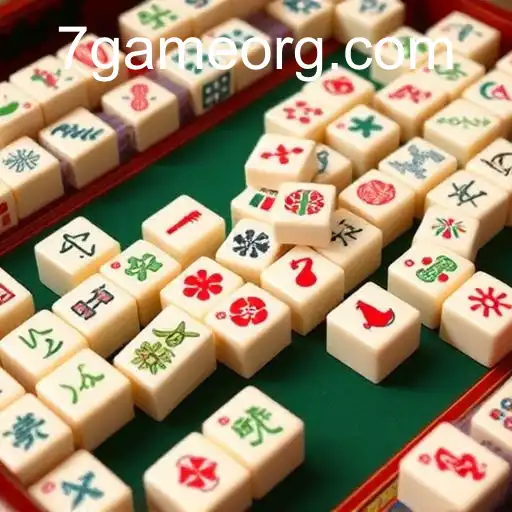
Discover the traditional game of Mahjong, its intriguing history, and the nuances of modern adaptations including 7game.
Mahjong: A Journey Through Time and Play
Mahjong, a game rooted in ancient Chinese culture, has gained significant popularity worldwide. Combining skill, strategy, and calculation with a touch of luck, Mahjong is more than just a leisure activity. With its rich heritage, the game has seen various adaptations, including modern online versions like 7game, catering to different audiences while maintaining the core essence that makes Mahjong truly timeless.
The Origins of Mahjong
The origins of Mahjong can be traced back to the Qing Dynasty in China. It is believed that the game evolved from similar card games, incorporating elements of rummy and dominoes. Traditionally played with a set of 144 tiles based on Chinese characters and symbols, the game reflects various aspects of Chinese philosophy and numerology.
Core Components of Mahjong
The Mahjong set typically comprises tiles divided into three suits: Characters, Bamboos, and Circles. Additionally, there are honor tiles, which include winds and dragons, and flower tiles, which serve as optional extras. Understanding these tiles is key, as they form the sets and sequences players aim to complete during the game.
Basic Gameplay and Rules
The objective of Mahjong is to build a complete hand of 14 tiles by drawing and discarding tiles, organizing them into four sets and a pair. Sets can be a pung (three identical tiles), a chow (a sequence of three consecutive numbers in a suit), or a kong (four identical tiles). The game begins with each player receiving 13 tiles. Players take turns drawing a tile from the wall and discarding one until someone completes a winning hand, referred to as "going Mahjong." The complexity of the game arises from the various permissible hands and the points system used to evaluate a winning hand.
Playing Mahjong in the Modern Era
In recent years, Mahjong has embraced digitization, with various platforms providing online versions accessible for beginners and seasoned players alike. These digital transitions have opened the doors to new variants, including the popular 7game format. 7game simplifies some traditional aspects while introducing new, engaging features, catering to a broader audience who can relish the strategic depth of Mahjong with added convenience.
Many online platforms offer tutorials and practice modes, allowing new players to learn at their own pace. The digital format also provides innovative scoring and ranking systems, making it easier for players worldwide to participate in tournaments and connect with fellow enthusiasts.
Current Trends and Events
The appeal of Mahjong continues to grow globally, with a notable increase in Mahjong-related events and tournaments. These gatherings celebrate not only the game's complexity but also its cultural significance. Events like the World Mahjong Championship highlight the game's rich heritage and the community of devoted players it has fostered. Additionally, the rise of e-sports has seen Mahjong included in various virtual competitions, attracting younger audiences intrigued by the strategic challenges it presents.
Mahjong's Influence on Pop Culture
Mahjong's influence extends beyond the realm of gaming. It has cemented its place in pop culture, with references in films, music, and literature. This portrayal has helped to immortalize the game, drawing attention to its strategic intricacies and cultural roots. Platforms offering online variants, such as 7game, allow people to experience Mahjong's timeless allure regardless of geographic or cultural barriers.
Exploring 7game: A Modern Mahjong Experience
7game stands out as a noteworthy adaptation, blending traditional Mahjong elements with modern gaming mechanics. This variant often features a streamlined version of the rules and faster-paced gameplay. The appeal of 7game lies in its accessibility, making it an appealing gateway for newcomers to the world of Mahjong while retaining the deep strategic complexity that veteran players appreciate.
7game and similar platforms provide dynamic experiences with user-friendly interfaces, enhancing engagement and offering immersive interactions. These adaptations serve not just as entertainment but as bridges connecting people from different backgrounds through the shared language of Mahjong. As technology evolves, the fusion of traditional and modern elements in formats like 7game ensures that Mahjong remains relevant and accessible to future generations.



0 Comments